


Roughly 80% of sexually active people will acquire human papillomavirus at some point in their lifetime yet most people who receive a positive HPV result have no accurate framework for understanding what that means. These 15 HPV facts are written for anyone who has just been diagnosed, is monitoring a persistent infection, or is trying to make sense of a partner's result. The goal is not reassurance for its own sake, but accuracy: replacing anxiety driven by incomplete information with a clear picture of what HPV is, how it behaves, and what evidence actually supports doing about it.
Key Takeaways
- HPV is a family of over 200 virus types — only 14 are classified as high-risk for cancer
- Approximately 90% of HPV infections clear naturally within two years through normal immune function
- High-risk HPV is almost always asymptomatic; a positive result is not a cancer diagnosis
- Regular Pap smear and HPV co-testing remains the most reliable protection against HPV-related cancer
- AHCC is the only supplement with a published, placebo-controlled human clinical trial specifically examining HPV clearance — though it is preliminary, not proven
In This Article
What HPV Actually Is
Fact 1: HPV Is Not One Virus — It Is a Family of Over 200
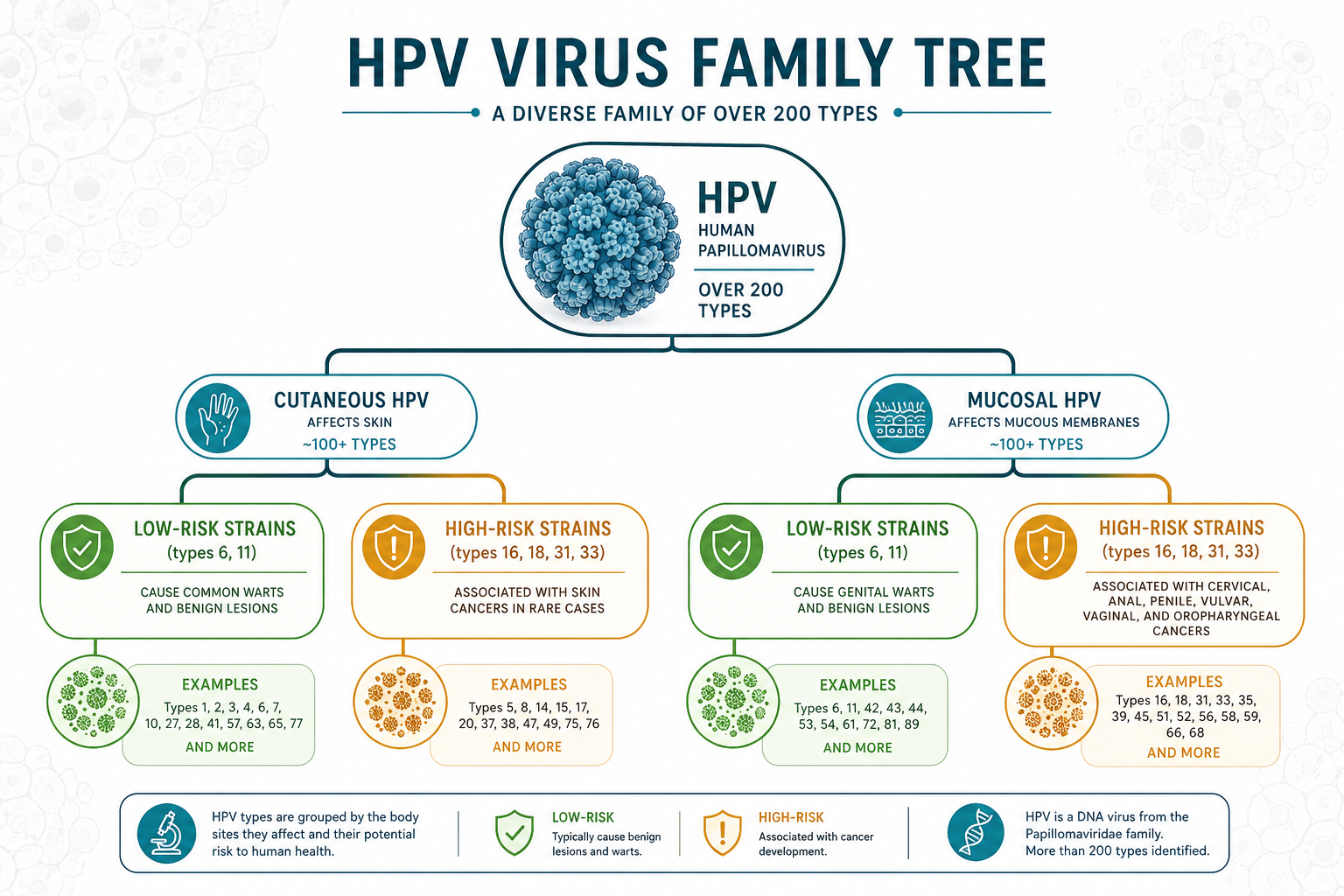
When most people hear "HPV," they think of a single sexually transmitted infection. The reality is more nuanced. Human papillomavirus refers to a large family of over 200 distinct virus types, divided broadly into cutaneous strains — which infect skin and cause common hand and foot warts — and mucosal strains, which infect the moist linings of the genitals, anus, mouth, and throat. Within the mucosal group, strains are further classified as low-risk or high-risk based on their cancer-causing potential. Understanding this distinction is the foundation of every other HPV fact that follows.
Fact 2: Only About 14 Strains Are Classified as High-Risk
Of the more than 200 HPV types, only approximately 14 mucosal strains are classified as high-risk — meaning they carry the potential to cause cellular changes that can, over many years of persistent infection, lead to cancer. Low-risk strains such as types 6 and 11 cause genital warts but are not associated with cancer. Being diagnosed with high-risk HPV does not mean cancer is present or inevitable — it means that persistent infection with these strains over an extended period creates that potential. For a closer look at the two strains responsible for the majority of HPV-related cancers, see why HPV 16 and HPV 18 are the most dangerous HPV strains.
Fact 3: Most Sexually Active People Will Have HPV at Some Point
According to the CDC, approximately 80% of sexually active people will acquire HPV at some point during their lifetime. The majority will never know — because most infections produce no symptoms, clear without intervention, and are never tested for. An HPV diagnosis is not a reflection of how many partners a person has had, how recently they became sexually active, or any particular behavior. It is an extremely common viral exposure that most of the adult population shares, and for most people, it resolves without consequence.
How HPV Spreads
Fact 4: HPV Spreads Through Skin-to-Skin Contact — Not Just Penetrative Sex
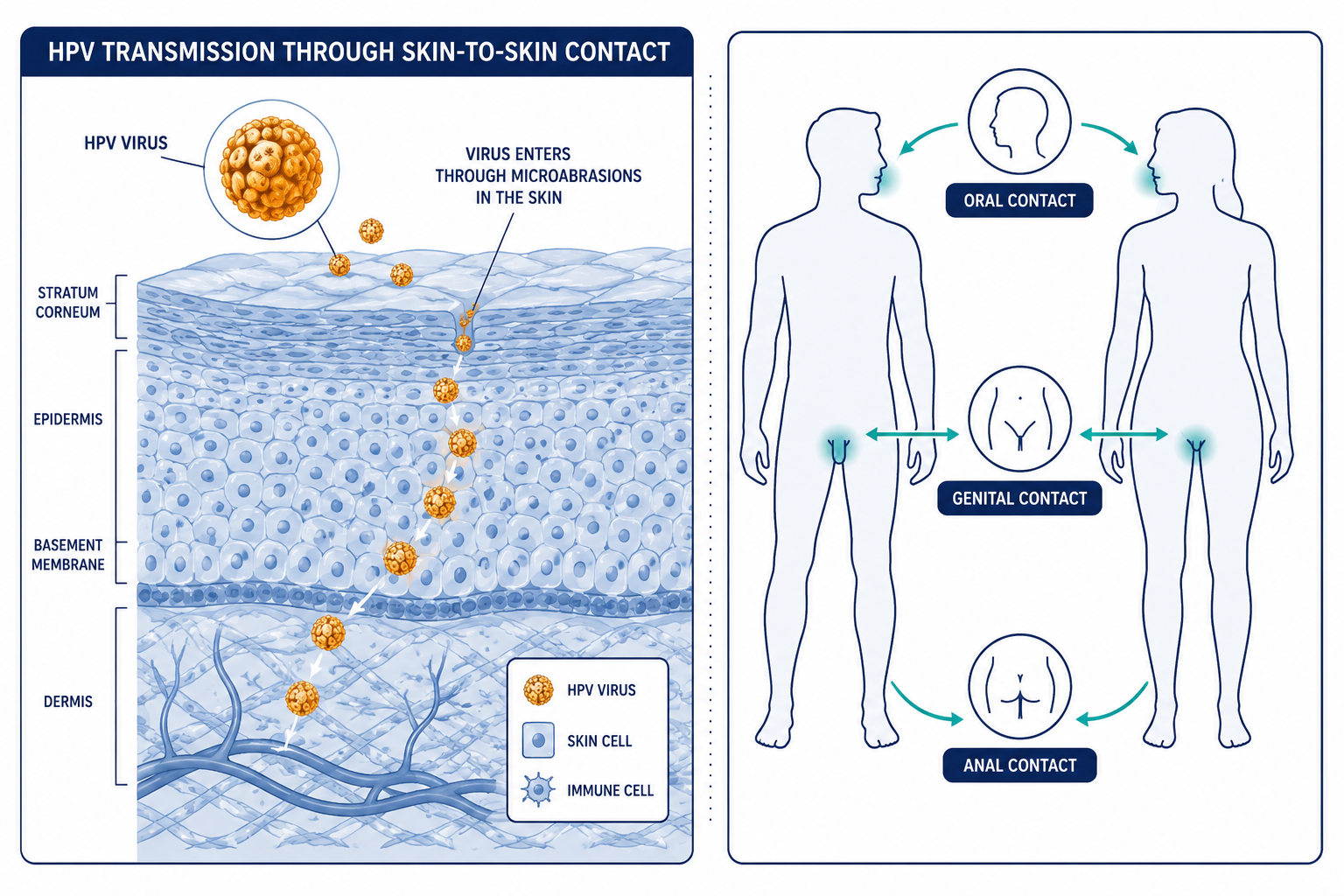
HPV lives in skin and mucosal cells, not in blood or saliva. It transmits through direct contact with infected skin — including vaginal, anal, and oral sex, as well as genital skin-to-skin contact without penetration. Condoms reduce transmission risk meaningfully but do not eliminate it, because areas of skin not covered by a condom can still carry and transmit the virus. This matters practically: it means HPV can be acquired through sexual contact that many people do not consider "full" sex. For a thorough explanation of non-penetrative transmission, see can you get HPV without having sex.
Fact 5: HPV Can Remain Dormant for Years Before Detection
One of the most misunderstood HPV facts is that the virus can be present in the body for months or years without producing a detectable result on an HPV test. When a test eventually comes back positive, it provides no information about when the infection was acquired or from whom. This has significant implications for relationships: a positive HPV result in a long-term monogamous partnership does not indicate recent infidelity. The infection may have been present — and undetectable — for years before the test was taken.
Fact 6: Men Carry and Transmit HPV — But Have No Routine Screening Test
HPV does not preferentially affect women. Men carry high-risk strains, transmit them to partners, and develop HPV-related cancers including oropharyngeal, anal, and penile cancers. Despite this, no routine, clinically approved HPV test exists for men in most healthcare settings. This means male HPV infections are largely undetected and unmonitored — not because men are unaffected, but because the diagnostic infrastructure has not kept pace with the science. For a full breakdown of how HPV affects men specifically, see HPV in men: no symptoms, no test, still at risk.
Symptoms and Risks
Fact 7: Most HPV Infections Produce No Symptoms at All
High-risk HPV — the category linked to cancer — is almost always completely asymptomatic. There is nothing to feel, see, or notice. You cannot know a high-risk infection is present without a specific HPV test. Low-risk strains such as types 6 and 11 may cause visible genital warts, which are physically apparent but carry no cancer risk. The critical clinical implication is this: the absence of symptoms provides no reassurance that a high-risk infection is absent. Symptoms and risk are not correlated in HPV the way they are in many other infections.
Fact 8: HPV Is the Primary Cause of Cervical Cancer — But Most HPV Never Causes Cancer
According to the World Health Organization, virtually all cervical cancers are linked to persistent high-risk HPV infection. That is a striking statistic — and it is accurate. What is equally important is the second half of that sentence: most people with HPV do not develop cervical cancer. The reason is that cancer requires persistent infection over many years, with a high-risk strain, in a person whose immune system does not suppress the virus. Most infections clear before cellular changes can accumulate. A positive HPV result is not a cancer diagnosis. For a detailed explanation of the biological mechanism, see how does HPV cause cancer.
Fact 9: HPV Causes Cancers Beyond the Cervix
According to the National Cancer Institute, HPV is associated with cancers of the oropharynx (tonsils and base of tongue), anus, vulva, vagina, and penis — in addition to the cervix. Oropharyngeal cancers linked to HPV are rising in incidence, particularly among men, and now represent a significant portion of head and neck cancer cases in the United States. Each anatomical site has different screening considerations, risk timelines, and monitoring protocols. For a focused discussion of HPV infection in the mouth and throat, see oral HPV: the silent infection no one talks about.
Fact 10: High-Risk HPV in Women Is Detected Through Co-Testing — Not Pap Smear Alone
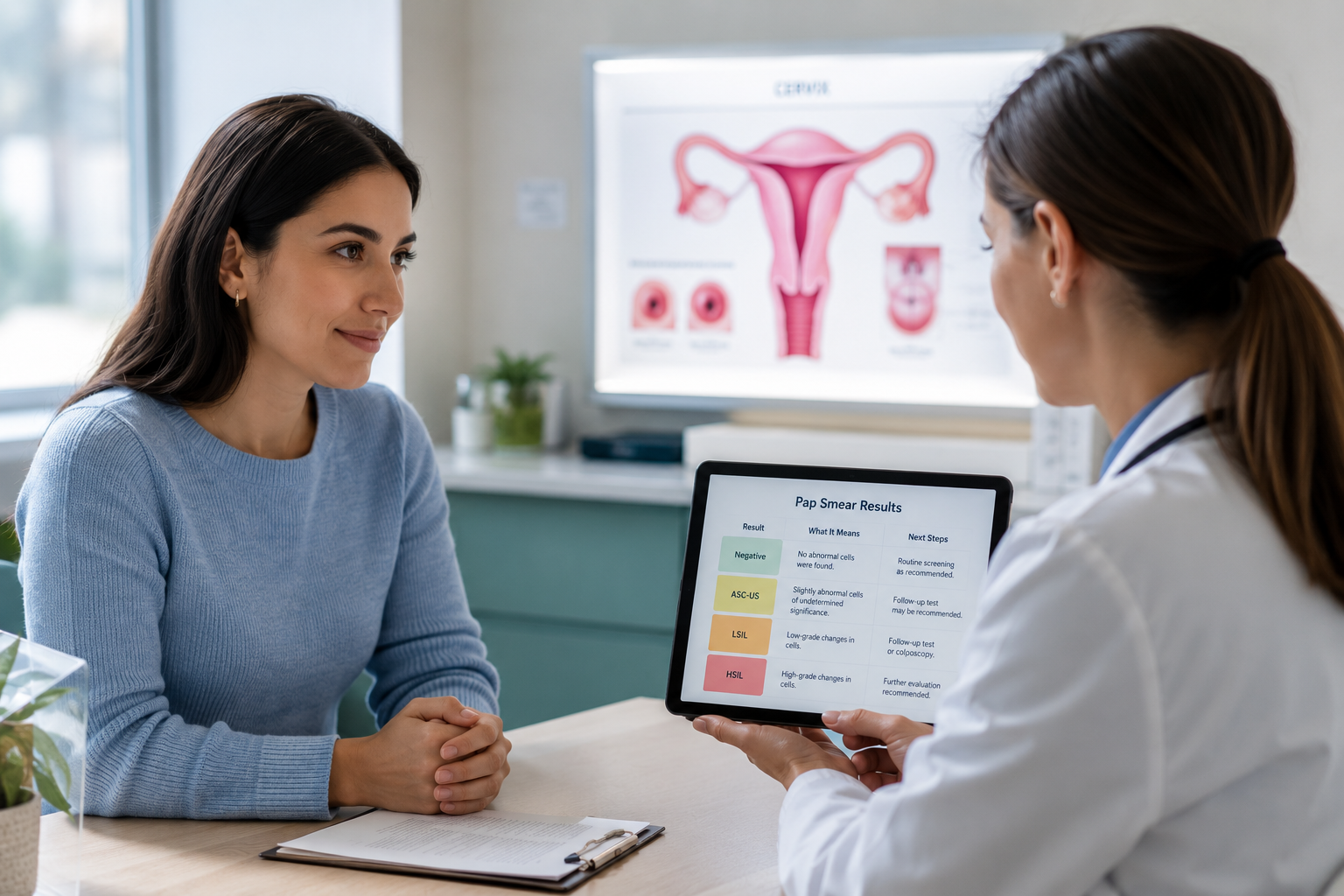
A Pap smear and an HPV test are two different tests that measure two different things. A Pap smear detects cellular abnormalities — changes to cervical cells that may indicate precancer. An HPV co-test detects the virus itself. A normal Pap smear result does not rule out HPV infection. Standard screening guidelines recommend co-testing (Pap smear plus HPV test) for women aged 30 and older every five years, or a Pap smear alone every three years beginning at age 21. Following the recommended screening schedule is the most reliable clinical tool available for catching HPV-related changes before they progress.
Clearance and Immune Function
Fact 11: The Immune System Clears Most HPV Within Two Years
Approximately 90% of HPV infections clear naturally within two years, according to the CDC — meaning the immune system suppresses the virus to undetectable levels without medical treatment. This is the scientific basis for the "watch and wait" approach that many clinicians recommend for newly diagnosed patients. It is not passivity; it is a recognition that the immune system handles HPV effectively in the vast majority of cases. The 10% of infections that persist beyond two years carry a meaningfully higher risk of cellular changes — which is precisely where regular monitoring and proactive immune support become most relevant.
Fact 12: Several Factors Are Associated With Slower Clearance
Not all immune systems respond to HPV at the same rate. Smoking, vitamin D deficiency, chronic psychological stress, poor sleep quality, HIV infection or other immunosuppressive conditions, and concurrent infection with multiple HPV strains are all associated with slower or incomplete viral clearance. These are not abstract risk factors — they are modifiable. Addressing them is not alternative medicine; it is removing documented barriers to normal immune function. For a thorough breakdown of why some infections persist while others resolve, see why HPV doesn't clear in some people.
Fact 13: AHCC Is the Only Supplement With a Published Human Clinical Trial for HPV Clearance
AHCC (Active Hexose Correlated Compound) is a standardized extract derived from shiitake mushroom mycelia that has been studied in a published, placebo-controlled human clinical trial specifically examining HPV clearance. The trial, conducted by Dr. Judith Smith at the UT Health Science Center at Houston, demonstrated statistically significant HPV clearance in the AHCC group compared to placebo. Research suggests AHCC may support the activity of natural killer (NK) cells and other immune components involved in viral clearance. This research is promising and represents a meaningful distinction from the supplement market at large — but it is preliminary, not conclusive, and AHCC is not FDA-approved as an HPV treatment. For those exploring this option, NovaHerbs AHCC provides 700 mg per capsule and is manufactured in the USA in a GMP-certified facility. For a full review of the clinical evidence, see does AHCC really help clear HPV. Published research is indexed on PubMed
Prevention and What You Can Do
Fact 14: The HPV Vaccine Is One of the Most Effective Cancer Prevention Tools Available
Gardasil 9 protects against nine HPV strains — types 6, 11, 16, 18, 31, 33, 45, 52, and 58 — including the two strains responsible for the majority of HPV-related cancers. The vaccine is most effective when given before any exposure to the covered strains. The CDC recommends vaccination routinely at ages 11 to 12, with the series able to begin as early as age 9. Adults through age 26 are routinely recommended for vaccination; a shared clinical decision-making discussion is recommended for adults aged 27 through 45. One important clarification: the vaccine does not treat an existing HPV infection. It is a preventive tool, not a therapeutic one.
Fact 15: Regular Screening Is the Single Most Reliable Protection Against HPV-Related Cancer
The dramatic decline in cervical cancer rates in countries with established screening programs is primarily attributable to Pap smear and HPV co-testing — not to the vaccine alone. Screening detects precancerous cellular changes (classified as CIN, or cervical intraepithelial neoplasia) years before they can progress to invasive cancer. This detection window is wide and reliable, giving clinicians multiple opportunities to intervene. No supplement, dietary change, or lifestyle modification replaces this. If you have HPV — particularly a high-risk strain — following your provider's recommended screening schedule is the most evidence-based action available to you.
These 15 HPV facts cover the essential landscape, but each topic has considerably more depth behind it. For anyone managing a persistent infection, navigating the emotional dimensions of a new diagnosis, or making decisions about supplements and lifestyle changes, the dedicated articles linked throughout this piece provide the clinical detail that a summary cannot. Every individual situation is different, and the most important conversations about monitoring frequency, treatment options, and risk assessment happen between a patient and their healthcare provider — not on a webpage.
Related Reading
- Why HPV 16 and HPV 18 are the most dangerous HPV strains
- HPV in men: no symptoms, no test, still at risk
- Oral HPV: the silent infection no one talks about
- Why HPV doesn't clear in some people: reasons and solutions
- Does AHCC really help clear HPV? What research shows
- How to clear HPV naturally: 10 proven strategies to boost immunity
References
- CDC — HPV fact sheet: https://www.cdc.gov/hpv
- WHO — HPV and cervical cancer: https://www.who.int/news-room/fact-sheets/detail/human-papillomavirus-(hpv)-and-cervical-cancer
- NCI — HPV and cancer: https://www.cancer.gov/about-cancer/causes-prevention/risk/infectious-agents/hpv-and-cancer
- AAP — HPV vaccine: https://www.aap.org/en/patient-care/immunizations/hpv/
- PubMed — AHCC clinical research: https://pubmed.ncbi.nlm.nih.gov/
- NIH — Vitamin D fact sheet: https://ods.od.nih.gov/factsheets/VitaminD-HealthProfessional/
These statements have not been evaluated by the Food and Drug Administration. This product is not intended to diagnose, treat, cure, or prevent any disease. Consult your healthcare provider before beginning any new supplement regimen.
By Dr. Zafer Atli | Integrative Medicine & Women's Health


