


Nearly 80 million Americans are currently infected with HPV, making it the most common sexually transmitted infection in the United States, according to the CDC. A positive HPV result can feel alarming, but the science offers genuine reassurance: the immune system clears most HPV infections on its own within one to two years. The question worth asking is not whether clearance is possible, but what steps can meaningfully support the process. This guide covers how to clear HPV naturally through evidence-informed lifestyle changes, targeted nutrition, and the most clinically studied supplement in this space.
Key Takeaways
- Approximately 90% of HPV infections resolve naturally within two years as the immune system suppresses the virus.
- No supplement, diet, or lifestyle change has been proven to cure HPV — but several strategies may meaningfully support immune clearance.
- AHCC (Active Hexose Correlated Compound) is the only supplement with a published, placebo-controlled human trial specifically examining HPV clearance.
- Sleep, stress management, nutrition, and avoiding immune suppressants are foundational — not optional extras.
- Always work alongside a healthcare provider; natural support strategies complement medical monitoring, they do not replace it.
In This Article
How the Immune System Clears HPV Naturally
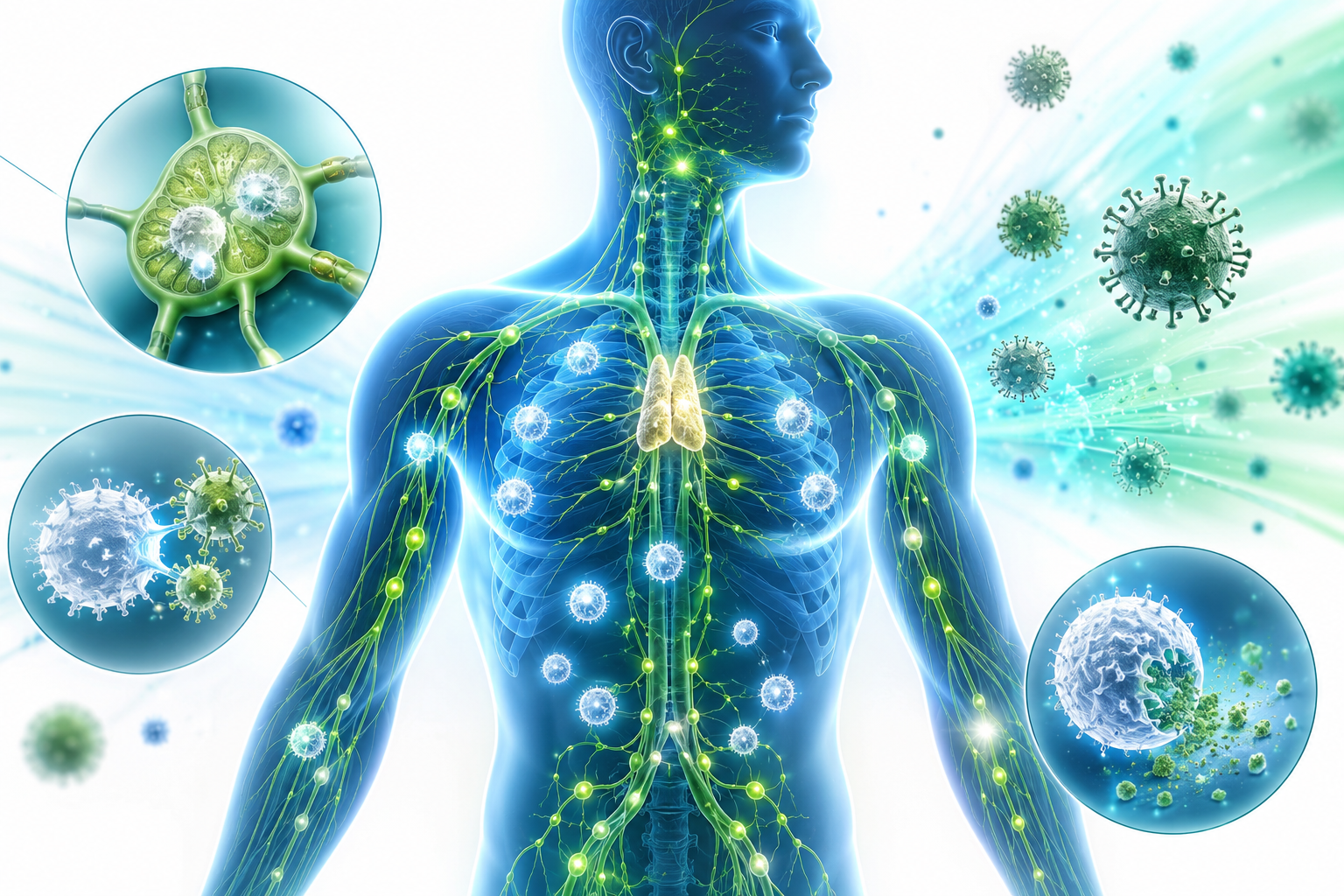
The immune system is the primary mechanism through which HPV is suppressed and cleared. Understanding this process helps explain why every strategy in this guide ultimately points back to one goal: keeping immunity strong and consistent.
HPV does not circulate in the bloodstream the way influenza does. Instead, it infects epithelial cells — the surface cells of the cervix, throat, anus, or skin — and replicates quietly inside them. The virus has evolved several mechanisms to evade early detection, which is why some infections persist longer than others.
When the immune system does recognize HPV-infected cells, it deploys several key players:
- Natural Killer (NK) cells — identify and destroy infected cells before they replicate further
- Dendritic cells — capture viral proteins and present them to T-cells to trigger a targeted response
- CD4+ and CD8+ T-cells — coordinate and execute the adaptive immune response against HPV-infected tissue
- Cytokines — signaling proteins that regulate the intensity and direction of the immune response
"Clearance is not a passive event. It requires an active, well-coordinated immune response — one that can be supported or undermined by daily habits."
According to the WHO, most HPV infections are transient. However, a subset of infections — particularly those involving high-risk strains such as HPV 16 and HPV 18 — can persist and, over time, cause cellular changes. Understanding why some people clear HPV faster than others comes down largely to immune competence and the specific viral strain involved.
The practical implication: anything that weakens immune surveillance — poor sleep, chronic stress, nutritional deficiencies, smoking — slows clearance. Anything that strengthens it works in the opposite direction.
Diet and Nutrition Strategies to Support HPV Clearance
Nutrition does not cure HPV, but specific micronutrients have documented roles in immune function — and deficiencies in several of them are associated with impaired viral clearance.
Key Nutrients for Immune Support
| Nutrient | Role in Immunity | Food Sources |
|---|---|---|
| Vitamin D | Regulates T-cell activation; deficiency linked to persistent HPV | Fatty fish, egg yolks, fortified foods, sunlight |
| Folate (B9) | Supports DNA repair in cervical cells; low levels associated with dysplasia | Dark leafy greens, legumes, fortified grains |
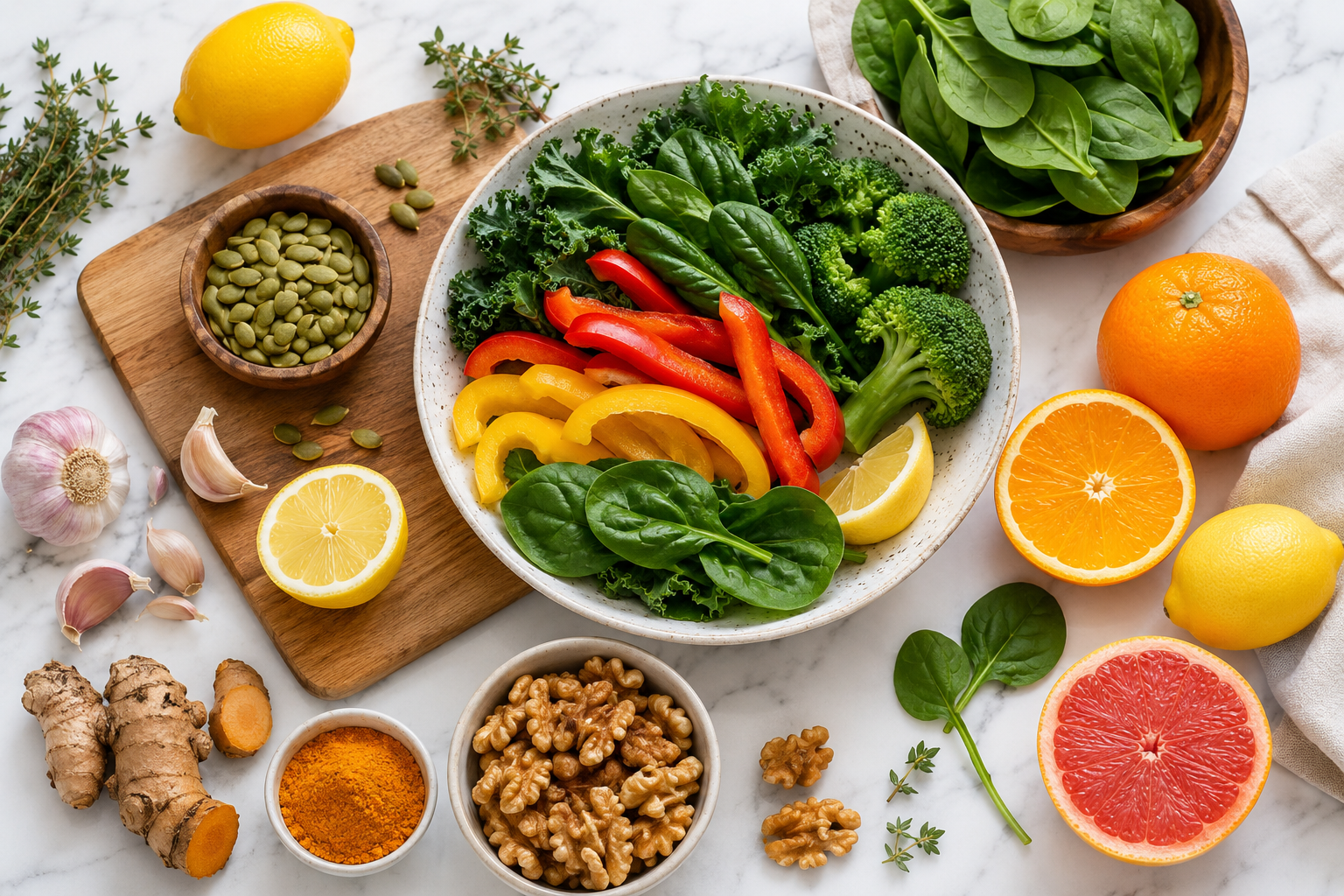
| Zinc | Essential for NK cell and T-cell function | Pumpkin seeds, beef, oysters, chickpeas |
| Vitamin C | Antioxidant; supports epithelial barrier integrity | Bell peppers, citrus, kiwi, broccoli |
| Beta-carotene | Precursor to Vitamin A; supports mucosal immunity | Sweet potato, carrots, leafy greens |
Vitamin D deserves particular attention. Research published through the NIH Office of Dietary Supplements shows that Vitamin D receptors are present on nearly every immune cell, and deficiency impairs both innate and adaptive immune responses. Many adults — particularly those in northern climates or with limited sun exposure — are deficient without knowing it.
Folate is especially relevant for women with HPV. The NIH folate fact sheet notes its central role in DNA synthesis and repair. Low folate levels have been associated with a higher risk of cervical dysplasia in HPV-positive women, though supplementation studies have shown mixed results.
Zinc supports the development and function of immune cells at every level. The NIH zinc fact sheet confirms that even mild zinc deficiency impairs NK cell activity — one of the first lines of defense against HPV-infected cells.
Foods to Limit
Certain dietary patterns actively suppress immune function:
- Refined sugars and ultra-processed foods — promote systemic inflammation and impair immune cell signaling
- Alcohol — suppresses NK cell activity and disrupts sleep architecture, both of which slow viral clearance
- Excess saturated fat — associated with pro-inflammatory cytokine profiles
For a practical breakdown of what to eat and what to avoid, the anti-HPV grocery list provides a detailed, food-by-food reference.
Lifestyle Factors That Affect How Fast HPV Clears
Diet is only one piece of the picture. Several lifestyle variables have a direct, measurable impact on immune function — and therefore on how efficiently the body handles an active HPV infection.
Sleep
Sleep is when the immune system consolidates its response to pathogens. During deep sleep stages, the body increases production of cytokines — the signaling proteins that coordinate immune activity. Chronic sleep deprivation (less than 6 hours per night) has been shown to reduce NK cell activity by up to 70% in some studies. For someone trying to clear HPV naturally, inadequate sleep is one of the most underestimated obstacles.
Practical target: 7 to 9 hours of uninterrupted sleep per night, with consistent sleep and wake times.
Stress Management
Chronic psychological stress elevates cortisol, which directly suppresses immune function. Cortisol inhibits the production of pro-inflammatory cytokines needed to fight viral infections. It also reduces the number of circulating lymphocytes — the white blood cells responsible for identifying and clearing HPV-infected cells.
Stress reduction strategies with evidence behind them include:
- Mindfulness-based stress reduction (MBSR)
- Regular moderate-intensity exercise (walking, cycling, swimming)
- Journaling or cognitive behavioral approaches
- Social connection and support
Smoking
Smoking is one of the most well-documented risk factors for HPV persistence and progression to cervical dysplasia. Tobacco carcinogens suppress local cervical immunity, reduce Langerhans cell density in cervical tissue, and impair the DNA repair mechanisms that prevent precancerous changes. Quitting smoking is among the highest-impact actions a person with HPV can take.
Exercise
Moderate regular exercise supports immune surveillance by increasing NK cell circulation and reducing chronic inflammation. The key word is moderate — very high-intensity training without adequate recovery can temporarily suppress immune function.
Consistency matters more than intensity. A 30-minute walk five days a week provides more sustained immune benefit than occasional intense workouts followed by prolonged sedentary periods.
Understanding why HPV does not clear in some people often reveals a combination of these lifestyle factors working against the immune system simultaneously.

AHCC: The Most Researched Supplement for Natural HPV Support
Among the supplements investigated for HPV immune support, AHCC (Active Hexose Correlated Compound) stands apart because it is the only one with a published, placebo-controlled human clinical trial specifically examining HPV clearance.
What Is AHCC?
AHCC is a proprietary compound derived from the mycelia of shiitake mushrooms (Lentinula edodes). It is not a standard mushroom extract — it is a fermented, enzymatically processed compound that produces a unique mixture of alpha-glucans, which are smaller and more bioavailable than the beta-glucans found in typical mushroom supplements.
The Clinical Evidence
Dr. Judith Smith at the University of Texas Health Science Center at Houston conducted a randomized, double-blind, placebo-controlled pilot trial examining AHCC supplementation in women with persistent HPV infections. Published results suggested that AHCC supplementation was associated with HPV clearance in a subset of participants. The research is promising and represents a meaningful step forward — but it is preliminary. Larger, multi-center trials are needed before AHCC can be described as a proven HPV treatment.
AHCC is not FDA-approved as an HPV treatment. It is a dietary supplement. For a careful, balanced review of what the research actually shows, see does AHCC really help clear HPV.
How AHCC May Support HPV Clearance
Research suggests AHCC may work through several immune pathways:
- Increasing NK cell activity — enhancing the first-responder cells that identify HPV-infected tissue
- Activating dendritic cells — improving the body's ability to recognize and respond to the virus
- Modulating cytokine balance — supporting a coordinated rather than dysregulated immune response
- Increasing T-cell counts — particularly CD4+ helper T-cells that direct the adaptive immune response
Clinical Protocol and Dosage
The research protocol used in Dr. Smith's trial involved 3 grams of AHCC per day, taken on an empty stomach, for a minimum of six months. At 700 mg per capsule, this corresponds to approximately 4 to 5 capsules daily.
NovaHerbs AHCC provides 700 mg per capsule and is manufactured in the USA in a GMP-certified facility, aligning with the dosage used in clinical research. For questions about dosage specifics, the AHCC dosage guide for HPV covers the clinical rationale in detail.
Timing matters as well. Taking AHCC on an empty stomach — typically 30 to 60 minutes before a meal — is associated with better absorption of its active alpha-glucan compounds.

How to Clear HPV Naturally: Putting It All Together
The strategies described above do not work in isolation. The body's ability to clear HPV naturally depends on the cumulative strength of the immune system — which is shaped by sleep, stress, nutrition, and targeted supplementation working together.
A Practical Framework
Tier 1 — Non-negotiable foundations:
- 7 to 9 hours of sleep per night
- Smoking cessation (if applicable)
- Alcohol reduction or elimination
- Consistent moderate exercise
Tier 2 — Nutritional optimization:
- Correct documented deficiencies (Vitamin D, zinc, folate) through food and supplementation
- Increase consumption of whole plant foods, cruciferous vegetables, and lean protein
- Reduce ultra-processed foods, refined sugar, and alcohol
Tier 3 — Targeted supplementation:
- AHCC at the research-validated dose (3 g/day on an empty stomach) for a minimum of 6 months
- Continue medical monitoring — Pap tests and HPV co-testing as recommended by a healthcare provider
Tracking Progress
HPV clearance is confirmed through laboratory testing — not symptoms. Most HPV infections are asymptomatic. A negative HPV test result at a follow-up appointment is the only reliable indicator of clearance.
For those who received a positive Pap test alongside their HPV result, natural support after a positive Pap test outlines what to expect and how to support the body during the monitoring period.
What Not to Do
- Do not apply any topical treatments to genital tissue without medical guidance
- Do not skip scheduled follow-up appointments while pursuing natural strategies
- Do not interpret the absence of symptoms as evidence of clearance
- Do not delay medical evaluation if a provider recommends colposcopy or biopsy
Frequently Asked Questions
Can HPV really clear on its own without treatment?
Yes. According to the CDC, approximately 90% of HPV infections clear on their own within two years as the immune system suppresses the virus. This does not mean doing nothing is the best strategy — it means the immune system is the primary treatment, and supporting it actively may improve the odds and speed of clearance.
How long does it take to clear HPV naturally?
Most infections resolve within 6 to 24 months. High-risk strains like HPV 16 and 18 tend to persist longer than low-risk strains. Individual factors — immune health, age, smoking status, stress levels, and nutritional status — all influence the timeline. There is no guaranteed timeframe for any individual.
Is AHCC safe to take alongside other medications or supplements?
AHCC has a well-established safety profile based on over two decades of research. However, it may interact with certain immunosuppressive medications. Anyone taking prescription medications should consult their healthcare provider before starting AHCC or any new supplement regimen.
Do men need to do anything differently to clear HPV naturally?
The immune strategies described in this article apply equally to men and women. Men do not currently have an approved HPV test for general screening, which means the same lifestyle and supplementation principles apply — but without a standard test to confirm clearance. Men with visible genital warts should see a healthcare provider for evaluation and treatment options.
Can HPV come back after it has cleared?
A cleared HPV infection does not guarantee lifetime immunity to that strain. Re-exposure to the same strain from a partner can result in reinfection. Maintaining strong immune function after clearance remains relevant for long-term protection.
Conclusion: Your Next Steps
A positive HPV result is not a permanent diagnosis. For most people, it is a temporary immune challenge — one the body is equipped to handle with the right support. The strategies covered here are not experimental theories; they are grounded in immunology, clinical nutrition, and the most current research available.
Concrete next steps:
- Schedule a follow-up appointment with your healthcare provider to establish a monitoring plan — including when your next HPV test or Pap smear is due.
- Address the foundations first — prioritize sleep quality, smoking cessation, and alcohol reduction before adding supplements.
- Correct nutritional deficiencies — ask your provider to test Vitamin D and zinc levels, and address any gaps through diet or supplementation.
- Consider AHCC supplementation at the research-validated dose of 3 grams per day on an empty stomach for a minimum of 6 months, and discuss this with your provider.
- Track your progress through testing — not symptoms. Confirm clearance with a negative HPV test result at your next scheduled screening.
Related Reading
- I have HPV — now what? 8 steps to clear the virus naturally — a step-by-step action plan for the newly diagnosed
- Why some people clear HPV faster than others — the immune and lifestyle factors that determine clearance speed
- AHCC HPV success stories — how people cleared HPV naturally — real accounts from individuals who used AHCC as part of their clearance journey
- Best and worst foods for HPV — a detailed dietary reference for immune support during HPV infection
References
- Centers for Disease Control and Prevention. Human Papillomavirus (HPV). https://www.cdc.gov/hpv
- World Health Organization. Human papillomavirus (HPV) and cervical cancer. https://www.who.int/news-room/fact-sheets/detail/human-papillomavirus-(hpv)-and-cervical-cancer
- National Institutes of Health, Office of Dietary Supplements. Vitamin D Fact Sheet for Health Professionals. https://ods.od.nih.gov/factsheets/VitaminD-HealthProfessional/
- National Institutes of Health, Office of Dietary Supplements. Folate Fact Sheet for Health Professionals. https://ods.od.nih.gov/factsheets/Folate-HealthProfessional/
- National Institutes of Health, Office of Dietary Supplements. Zinc Fact Sheet for Health Professionals. https://ods.od.nih.gov/factsheets/Zinc-HealthProfessional/
- Smith JA, et al. "Randomized, Double-Blind, Placebo-Controlled Pilot Clinical Trial of AHCC for the Treatment of HPV Infections in Women with HPV Positive Pap Smears." University of Texas Health Science Center at Houston. Published results available via PubMed: https://pubmed.ncbi.nlm.nih.gov/
- National Cancer Institute. HPV and Cancer. https://www.cancer.gov/about-cancer/causes-prevention/risk/infectious-agents/hpv-and-cancer
These statements have not been evaluated by the Food and Drug Administration. This product is not intended to diagnose, treat, cure, or prevent any disease. Consult your healthcare provider before beginning any new supplement regimen.
By Dr. Zafer Atli | Integrative Medicine & Women's Health


