


More than 90% of HPV infections clear on their own within two years — but the speed and success of that clearance depends heavily on how well the immune system is functioning. If you are already taking AHCC consistently, you have made a meaningful commitment to supporting that immune function. What you eat each day is the complementary factor that either reinforces or undermines that effort. This HPV meal plan is not a cure, and no diet can guarantee viral clearance — the immune system does that work, and nutrition supports the immune system. What follows is a practical week of eating built around the specific nutrients most relevant to immune function during an AHCC protocol.
Key Takeaways
- No meal plan clears HPV directly — the immune system does, and targeted nutrition supports that immune system's capacity to function well.
- Folate, vitamin D, zinc, vitamin C, and omega-3 fatty acids have the strongest published evidence linking them to immune function relevant to HPV.
- Refined sugar, alcohol, processed foods, and chronic sleep deprivation are the four factors most consistently associated with reduced immune performance.
- AHCC's alpha-glucans are structurally distinct from the beta-glucans found in whole mushrooms — eating mushrooms supports general immune health but is not equivalent to AHCC supplementation.
- This 7-day plan is designed to be repeated, adapted, and sustained — consistency matters far more than perfection.
Every meal in this HPV meal plan is built around the nutrients most directly relevant to immune function during the AHCC protocol.
In This Article
- Why nutrition matters during your AHCC protocol
- The immune-supporting all-stars
- What to minimize or avoid
- Daily protocol reminder
- Day 1 — Monday
- Day 2 — Tuesday
- Day 3 — Wednesday
- Day 4 — Thursday
- Day 5 — Friday
- Day 6 — Saturday
- Day 7 — Sunday
- Hydration and beverages
- Meal prep for the week
- Why this plan works with AHCC
- A note on flexibility
Why Nutrition Matters During Your AHCC Protocol
The immune system is not a single organ — it is a distributed network of cells, proteins, and signaling molecules that requires a continuous supply of micronutrients to build new cells, mount responses to pathogens, and maintain the vigilance required to clear persistent viruses like HPV. When key nutrients are depleted, that vigilance falters.
Several nutrients have the strongest published evidence for immune function specifically relevant to HPV:
- Folate: Low folate levels have been associated with HPV persistence and cervical dysplasia in observational studies. Folate is essential for DNA synthesis and repair in rapidly dividing immune cells. See the NIH Folate Fact Sheet for the full evidence summary.
- Vitamin D: Deficiency in vitamin D is associated with impaired T-cell and natural killer (NK) cell function. The NIH Vitamin D Fact Sheet outlines its role in immune regulation in detail.
- Zinc: Required for the development and activation of NK cells and T-cells. Zinc deficiency is one of the most common micronutrient deficiencies globally and directly compromises immune cell production.
- Vitamin C: Supports white blood cell production and function, and has a well-established role in immune defense.
- Omega-3 fatty acids: Have anti-inflammatory properties that support immune balance, helping the immune system respond without chronic over-activation.
None of these nutrients directly clear HPV — that is the immune system's job. But a body consistently short on any of them is working with a disadvantaged immune response. For a deeper look at which specific foods support or undermine this process, the article on best and worst foods for HPV covers the full dietary evidence breakdown.
The Immune-Supporting All-Stars
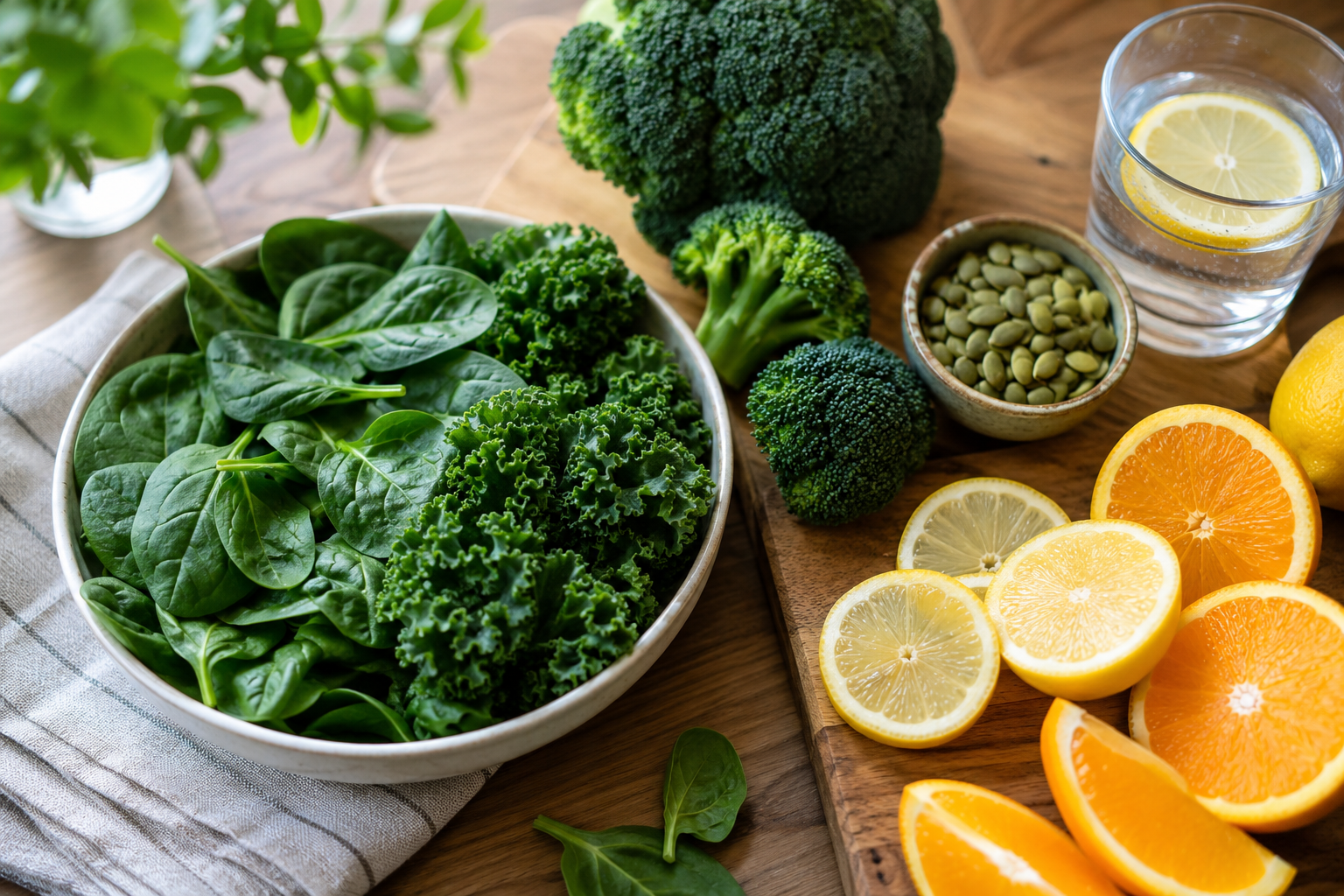
Omega-3s, folate, antioxidants, and zinc — the nutritional building blocks your immune system draws on most during an HPV clearance protocol.
The following foods appear repeatedly throughout this HPV meal plan because they deliver the highest concentration of immune-relevant nutrients per serving.
| Food | Key Nutrient(s) | Immune Relevance |
|---|---|---|
| Wild salmon / sardines | Omega-3 fatty acids (EPA, DHA) | Anti-inflammatory properties that support immune balance. See NIH Omega-3 Fact Sheet. |
| Spinach, kale, romaine | Folate, vitamin C, vitamin A | DNA repair in immune cells; mucosal immunity support |
| Broccoli, Brussels sprouts | Sulforaphane, vitamin C, folate | Sulforaphane has been studied for cellular health support; high vitamin C content |
| Blueberries, strawberries | Anthocyanins, vitamin C | Antioxidant support for immune cell function |
| Pumpkin seeds, Brazil nuts | Zinc, selenium | Zinc required for NK cell and T-cell development (see NIH Zinc Fact Sheet); selenium supports antioxidant enzymes |
| Shiitake, maitake mushrooms | Beta-glucans, B vitamins | Immune-modulating properties in research. Note: AHCC contains alpha-glucans derived from hybridized mushroom mycelia — these are structurally distinct from the beta-glucans in whole mushrooms. Eating mushrooms supports general immune health but is not equivalent to AHCC supplementation. |
| Garlic | Allicin | Research-supported immune-modulating properties |
| Green tea | EGCG (epigallocatechin gallate) | Studied for immune properties; not an established clinical treatment |
| Yogurt, kefir, kimchi | Probiotics, live cultures | Gut microbiome support, which is associated with immune regulation |
| Eggs | Vitamin D, zinc, B12 | Broad micronutrient support for immune cell production |
| Sweet potato | Beta-carotene (vitamin A precursor) | Supports mucosal immunity, particularly relevant to cervical health |
| Turmeric | Curcumin | Has anti-inflammatory properties in research; not an established clinical treatment for HPV |
What to Minimize or Avoid
What you remove from the diet matters as much as what you add. The following categories consistently appear in the research as factors associated with reduced immune performance:
| Category | Why It Matters |
|---|---|
| Refined sugar (white bread, soda, candy, pastries) | High-sugar intake is associated with temporary reduction in immune cell activity in research. Spikes in blood glucose create an environment that may impair immune surveillance. |
| Alcohol | Disrupts gut barrier integrity, impairs NK cell function, and interferes with sleep quality — all of which matter during an HPV protocol. |
| Processed meats (deli meats, hot dogs, bacon) | High in nitrates and saturated fat; associated with systemic inflammation in observational studies. |
| Vegetable oils high in omega-6 (corn oil, soybean oil) | High omega-6 to omega-3 ratio is associated with pro-inflammatory signaling. |
| Caffeine after 2 PM | Sleep is critical for immune function. Caffeine consumed late in the day impairs sleep quality and duration, which directly affects immune cell regeneration. |
| Ultra-processed snack foods | Typically high in refined carbohydrates, seed oils, and additives — a combination that contributes to systemic inflammation and gut dysbiosis. |
"The goal is not dietary perfection. The goal is consistent reduction of the factors most likely to impair the immune function you are actively trying to support."
Daily Protocol Reminder
Before moving into the 7-day plan, a brief note on AHCC timing that affects how the meal plan is structured.
AHCC is most effectively absorbed on an empty stomach. Most clinical protocols recommend taking AHCC at least 30 minutes before breakfast or at least 2 hours after a meal. This HPV meal plan is built around a morning AHCC dose before breakfast, which is why breakfasts are timed to follow the supplement rather than precede it.
For the science behind why empty-stomach dosing matters, see the detailed breakdown in why take AHCC on an empty stomach. For guidance on how much AHCC to take, the article on what dosage of AHCC to take for HPV covers the clinical evidence in full.
Daily protocol structure:
- Wake up — take AHCC with water on an empty stomach
- Wait 30 minutes minimum
- Breakfast (as outlined in the daily plan below)
- Lunch, dinner, and snacks as scheduled
- No alcohol; limit caffeine to before 2 PM
- 7–9 hours of sleep
Day 1 — Monday
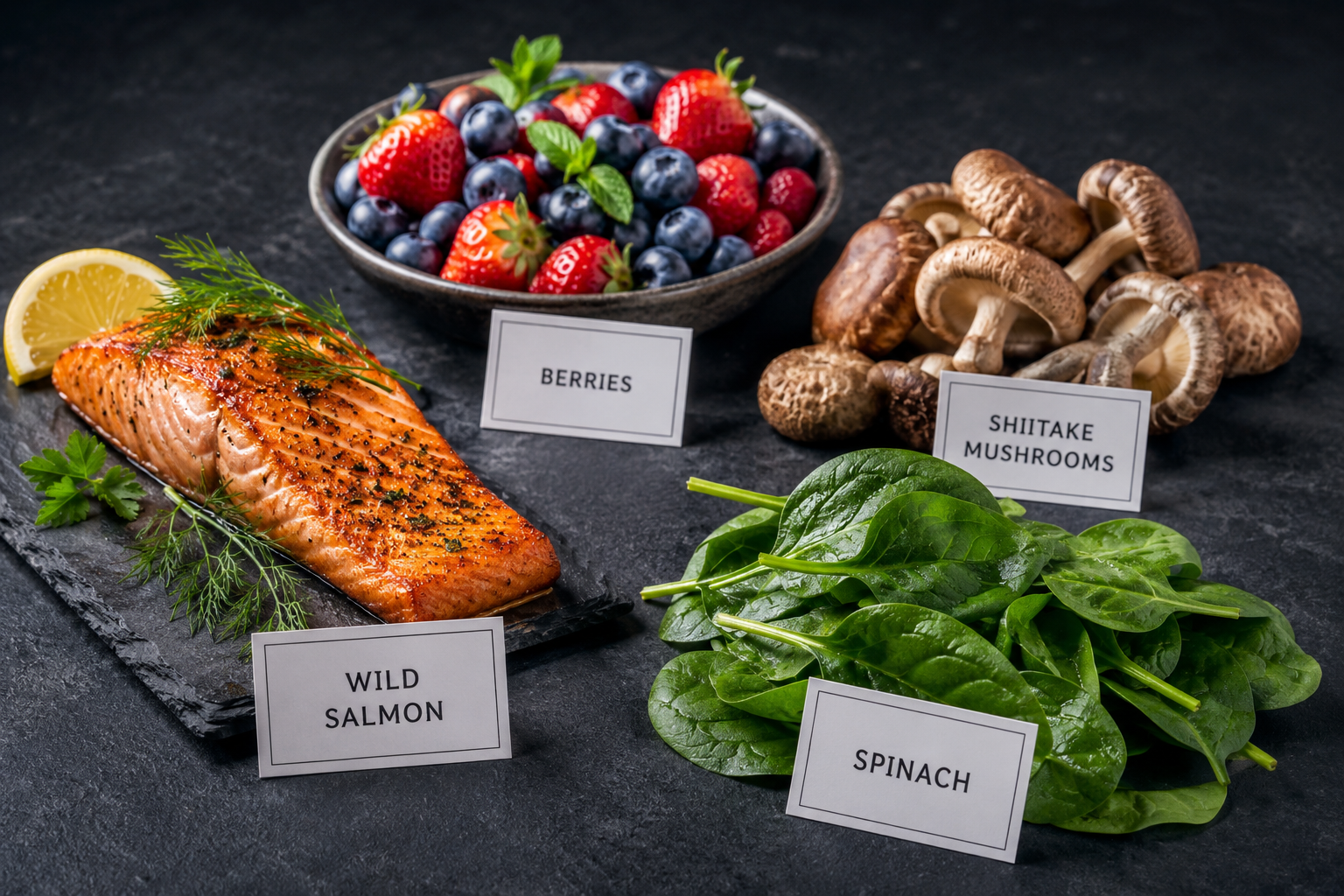
Day 1 establishes the pattern — folate-rich breakfast, omega-3s at lunch, and sulforaphane-delivering cruciferous vegetables at dinner.
Breakfast — Green Immunity Smoothie
- 1 cup spinach
- 1/2 cup frozen blueberries
- 1/2 banana
- 1 tablespoon ground flaxseed
- 1 cup unsweetened almond milk or kefir
- Optional: 1/2 teaspoon turmeric powder
Why it works: Spinach delivers folate and vitamin C. Blueberries provide anthocyanins with antioxidant properties. Flaxseed contributes plant-based omega-3s. Kefir adds probiotic cultures for gut support. Turmeric has anti-inflammatory properties in research.
Lunch — Wild Salmon and Arugula Salad
- 4 oz grilled or baked wild salmon
- 2 cups arugula
- 1/4 cup cherry tomatoes, halved
- 1/4 avocado, sliced
- 1 tablespoon olive oil and lemon dressing
- 1 tablespoon pumpkin seeds
Why it works: Wild salmon is one of the richest dietary sources of EPA and DHA omega-3s. Arugula provides folate and vitamin K. Pumpkin seeds contribute zinc for NK cell and T-cell development. Avocado adds healthy monounsaturated fats that support nutrient absorption.
Dinner — Baked Chicken with Steamed Broccoli and Quinoa
- 4–5 oz baked chicken breast
- 1.5 cups steamed broccoli
- 1/2 cup cooked quinoa
- Olive oil, garlic, lemon to season
Why it works: Chicken provides lean protein essential for immune cell production. Broccoli delivers sulforaphane, which has been studied for cellular health support, along with vitamin C and folate. Quinoa is a complete protein and provides B vitamins. Garlic contributes allicin, which has research-supported immune-modulating properties.
Snacks
- A small handful of Brazil nuts (selenium)
- 1/2 cup plain Greek yogurt with a few blueberries
Day 2 — Tuesday
Breakfast — Spinach and Egg Scramble
- 2 eggs, scrambled
- 1 cup fresh spinach, wilted in pan
- 1/4 cup diced red bell pepper
- 1 slice whole grain toast
- Black coffee or green tea (before 2 PM)
Why it works: Eggs provide vitamin D, zinc, and B12 — three nutrients with direct relevance to immune cell production. Spinach adds folate. Red bell pepper delivers more vitamin C per gram than most citrus fruits.
Lunch — Lentil and Vegetable Soup
- 1 cup cooked green or red lentils
- Diced carrots, celery, onion, garlic
- 1 teaspoon turmeric
- Low-sodium vegetable broth
- Fresh parsley to garnish
Why it works: Lentils are one of the best plant sources of folate and also provide zinc and iron. Turmeric has anti-inflammatory properties in research. Garlic contributes allicin. Parsley is a concentrated source of vitamin C and vitamin K.
Dinner — Baked Sardines or Mackerel with Roasted Sweet Potato and Kale
- 1 can or 4 oz fresh sardines or mackerel
- 1 medium sweet potato, roasted
- 2 cups kale, sauteed with olive oil and garlic
Why it works: Sardines and mackerel are among the most omega-3-dense foods available and are also high in vitamin D — a nutrient many people are deficient in. Sweet potato provides beta-carotene (a vitamin A precursor) that supports mucosal immunity. Kale delivers folate, vitamin C, and vitamin K.
Snacks
- 1 apple with 1 tablespoon almond butter
- Green tea (before 2 PM)
Day 3 — Wednesday
Breakfast — Overnight Oats with Berries and Chia Seeds
- 1/2 cup rolled oats
- 1 tablespoon chia seeds
- 1/2 cup mixed berries (blueberries, raspberries, strawberries)
- 1 cup unsweetened almond milk or kefir
- 1 teaspoon raw honey (optional)
Why it works: Oats provide beta-glucan fiber that supports gut microbiome health. Chia seeds contribute plant-based omega-3s and fiber. Mixed berries deliver a broad spectrum of antioxidants. Kefir adds probiotic cultures.
Lunch — Chicken and Avocado Lettuce Wraps
- 4 oz shredded rotisserie chicken (no skin)
- 1/2 avocado, mashed
- Romaine or butter lettuce leaves as wraps
- Sliced cucumber, shredded carrots
- Squeeze of lemon, salt, pepper
Why it works: Lean protein from chicken supports immune cell production. Avocado provides healthy fats and folate. Romaine lettuce contributes vitamin A and vitamin K. Carrots add beta-carotene.
Dinner — Stir-Fried Tofu with Shiitake Mushrooms, Broccoli, and Brown Rice
- 4 oz firm tofu, cubed and pan-fried
- 1 cup shiitake mushrooms, sliced
- 1 cup broccoli florets
- 1/2 cup brown rice
- Low-sodium tamari, garlic, ginger to season
Why it works: Tofu provides plant-based protein and isoflavones. Shiitake mushrooms contain beta-glucans with immune-modulating properties in research. Broccoli delivers sulforaphane and vitamin C. Ginger has anti-inflammatory properties.
Snacks
- Carrot and celery sticks with hummus
- 1/4 cup pumpkin seeds
Day 4 — Thursday
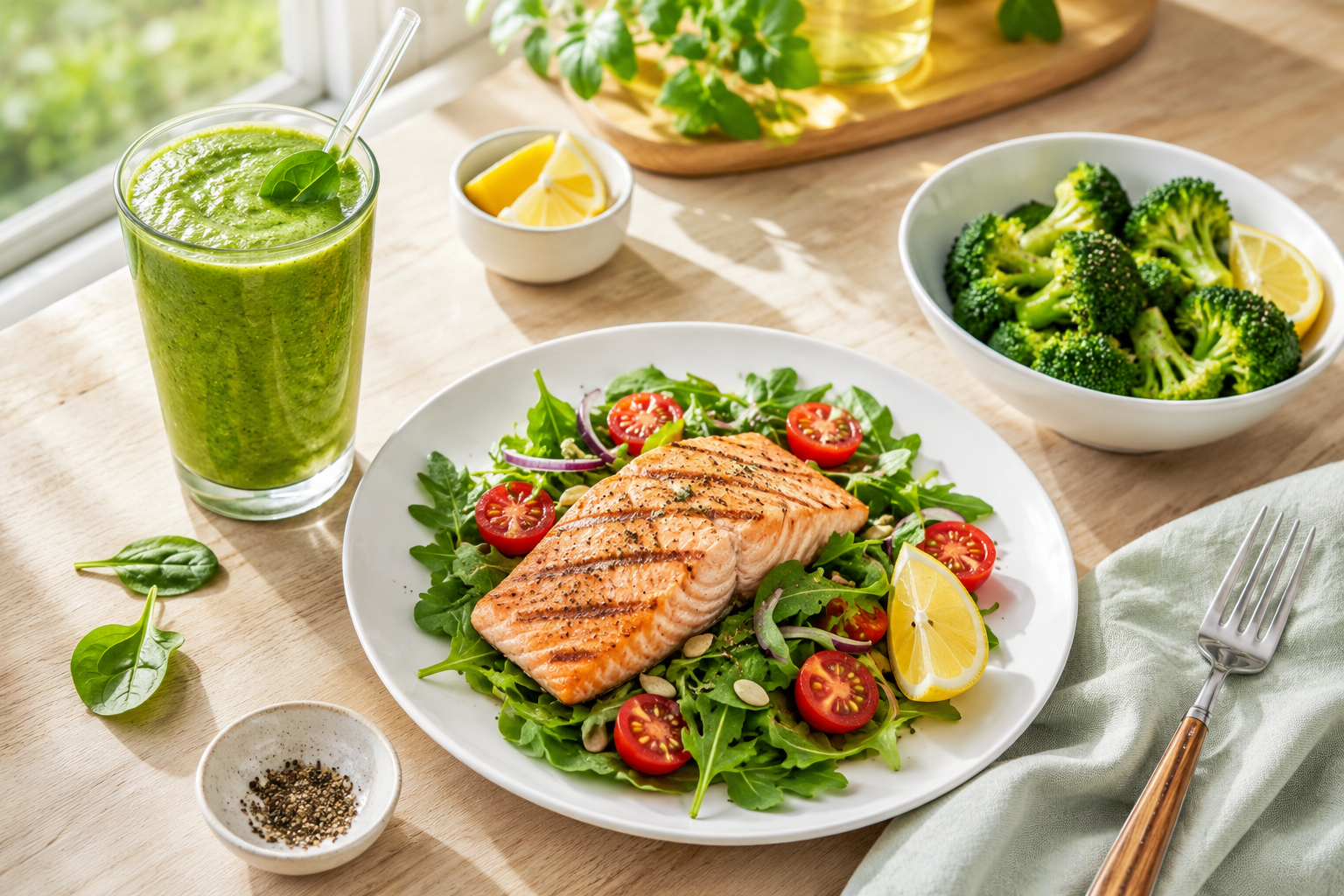
Sweet potato's vitamin A supports mucosal immunity — a nutrient particularly relevant to cervical health.
Breakfast — Turmeric Scrambled Eggs with Spinach
- 2 eggs
- 1/2 teaspoon turmeric
- 1 cup spinach
- 1/4 cup diced onion
- Olive oil to cook
- 1 slice whole grain toast
Why it works: Turmeric combined with black pepper (add a pinch) significantly increases curcumin absorption. Eggs provide zinc and vitamin D. Spinach adds folate and iron.
Lunch — Quinoa Bowl with Roasted Vegetables and Tahini Dressing
- 1/2 cup cooked quinoa
- Roasted zucchini, red bell pepper, red onion
- 1/4 cup chickpeas, roasted
- 2 tablespoons tahini dressing (tahini, lemon, garlic, water)
- Fresh parsley
Why it works: Quinoa provides a complete amino acid profile. Chickpeas add folate and zinc. Tahini contributes calcium and healthy fats. Red bell pepper provides vitamin C in high concentration.
Dinner — Turmeric Chicken Thighs with Sweet Potato Mash and Sauteed Kale
- 4–5 oz chicken thighs, baked with turmeric and garlic
- 1 medium sweet potato, mashed with olive oil
- 2 cups kale, sauteed with garlic and lemon
Why it works: Chicken thighs provide zinc and B vitamins alongside lean protein. Sweet potato delivers beta-carotene for mucosal immunity support. Kale provides folate and vitamin C. Turmeric has anti-inflammatory properties in research.
Snacks
- 1/2 cup plain Greek yogurt with a drizzle of raw honey
- A small handful of walnuts
Day 5 — Friday
Breakfast — Berry and Spinach Protein Smoothie
- 1 cup spinach
- 1/2 cup frozen mixed berries
- 1 scoop plain or vanilla protein powder (whey or plant-based)
- 1 tablespoon ground flaxseed
- 1 cup unsweetened almond milk
Why it works: Protein powder ensures adequate amino acid availability for immune cell synthesis. Spinach contributes folate. Berries provide antioxidants. Flaxseed adds plant-based omega-3s and fiber.
Lunch — Tuna and White Bean Salad
- 1 can wild-caught tuna in water, drained
- 1/2 cup white beans (cannellini), rinsed
- Mixed greens, cherry tomatoes, cucumber
- Olive oil and red wine vinegar dressing
- Fresh basil
Why it works: Tuna provides omega-3s and selenium. White beans are an excellent plant source of folate and zinc. Mixed greens add vitamin A and vitamin C. Olive oil supports fat-soluble vitamin absorption.
Dinner — Baked Salmon with Asparagus and Wild Rice
- 5 oz baked wild salmon fillet
- 1 bunch asparagus, roasted with olive oil
- 1/2 cup cooked wild rice
- Lemon, dill, garlic to season
Why it works: Wild salmon delivers EPA and DHA omega-3s alongside vitamin D. Asparagus is a prebiotic vegetable that feeds beneficial gut bacteria, supporting the gut-immune axis. Wild rice provides B vitamins and antioxidants.
Snacks
- Sliced apple with almond butter
- Green tea (before 2 PM)
Day 6 — Saturday
Breakfast — Avocado Toast with Poached Eggs and Microgreens
- 2 slices whole grain bread, toasted
- 1/2 avocado, mashed with lemon and salt
- 2 poached eggs
- A handful of microgreens or fresh arugula on top
Why it works: Whole grain bread provides B vitamins and fiber. Avocado contributes folate and healthy monounsaturated fats. Eggs deliver vitamin D, zinc, and choline. Microgreens are concentrated sources of vitamins C, E, and K.
Lunch — Miso Soup with Tofu, Seaweed, and Edamame
- 2 cups miso broth (low sodium)
- 3 oz firm tofu, cubed
- 1/4 cup edamame
- 1 tablespoon dried wakame seaweed
- Sliced green onions
Why it works: Miso is a fermented food that supports gut microbiome health. Edamame provides plant-based protein, folate, and isoflavones. Seaweed contributes iodine and trace minerals. This is a light, gut-supportive midday meal.
Dinner — Grass-Fed Beef or Turkey Bolognese over Zucchini Noodles
- 4 oz grass-fed ground beef or turkey
- 1 cup zucchini noodles (spiralized)
- 1/2 cup crushed tomatoes, garlic, onion, basil sauce
- 1 tablespoon olive oil
- Fresh parsley and a sprinkle of nutritional yeast
Why it works: Grass-fed beef provides heme iron, zinc, and B12 — all critical for immune cell production. Zucchini noodles lower the glycemic load compared to pasta. Tomatoes provide lycopene, an antioxidant studied for its role in cellular health. Nutritional yeast adds B vitamins including B12.
Snacks
- Kimchi (2–3 tablespoons) alongside any meal or as a side
- A small handful of Brazil nuts
Day 7 — Sunday
Breakfast — Mushroom and Spinach Frittata
- 3 eggs
- 1 cup shiitake or cremini mushrooms, sliced
- 1 cup spinach
- 1/4 cup diced onion
- Olive oil, salt, pepper
- Baked in oven at 375°F for 15–18 minutes
Why it works: Mushrooms provide beta-glucans with immune-modulating properties and B vitamins including B2 and B3. Eggs deliver zinc, vitamin D, and choline. Spinach adds folate. This is a nutrient-dense, protein-rich start to the final day of the week.
Lunch — Lentil and Roasted Vegetable Bowl
- 1 cup cooked lentils
- Roasted beets, carrots, and red onion
- 2 cups mixed greens
- 2 tablespoons olive oil and balsamic dressing
- 1 tablespoon pumpkin seeds
Why it works: Lentils are one of the best plant sources of folate and also provide iron and zinc. Beets contain betaine and nitrates that support circulation and cellular function. Pumpkin seeds add zinc. This bowl delivers a wide spectrum of immune-relevant micronutrients in a single meal.
Dinner — Slow-Cooked Chicken and Vegetable Stew
- 4–5 oz chicken breast or thighs
- Diced sweet potato, carrots, celery, garlic, onion
- 1 cup low-sodium chicken broth
- 1 teaspoon turmeric, 1/2 teaspoon ginger
- Fresh parsley to finish
Why it works: A slow-cooked stew maximizes nutrient retention and bioavailability. Bone broth (if used as the base) provides collagen and minerals. Sweet potato and carrots deliver beta-carotene. Turmeric and ginger both have anti-inflammatory properties in research.
Snacks
- 1/2 cup plain Greek yogurt with blueberries
- Green tea
Hydration and Beverages
Hydration is not optional during an immune support protocol. Immune cells require adequate fluid to circulate, communicate, and function. The following beverage guidelines apply throughout the week:
Prioritize:
- Water — minimum 8 cups (64 oz) per day; more if active
- Green tea — 1–2 cups daily before 2 PM (EGCG, studied for immune properties)
- Herbal teas — ginger, chamomile, echinacea (supportive, not therapeutic)
- Kefir or plain yogurt drinks — probiotic support
Minimize or avoid:
- Alcohol — impairs NK cell function and gut barrier integrity
- Sugary drinks (soda, fruit juice, sports drinks) — associated with blood glucose spikes and temporary reduction in immune cell activity
- Caffeine after 2 PM — sleep is critical for immune cell regeneration; late caffeine disrupts sleep architecture
- Energy drinks — typically high in sugar and stimulants that stress the adrenal system
Meal Prep for the Week
A consistent HPV meal plan requires preparation. Without it, the default tends toward convenience foods — which are typically the categories this plan asks you to minimize. The following Sunday prep routine takes approximately 90 minutes and sets up the entire week.
Sunday Prep Checklist:
- Cook a large batch of quinoa or brown rice (stores 5 days refrigerated)
- Roast two sheet pans of mixed vegetables (sweet potato, broccoli, carrots, zucchini)
- Bake or poach 4–5 chicken breasts; shred or slice for use across multiple days
- Hard-boil 6 eggs for quick breakfasts and snacks
- Prepare one large batch of lentil soup
- Wash and dry all leafy greens; store in airtight containers lined with paper towel
- Portion out snacks: pumpkin seeds, Brazil nuts, and berries into small containers
- Make a large batch of tahini or lemon-olive oil dressing
Daily habits that support the plan:
- Take AHCC first thing in the morning, before eating
- Drink a glass of water immediately upon waking
- Pack lunch the night before to avoid midday decisions under time pressure
- Keep a bag of frozen wild salmon or sardines in the freezer as a fallback dinner
- Keep frozen berries available for smoothies when fresh fruit runs low
Why This Plan Works With AHCC
This HPV meal plan and AHCC supplementation are not competing approaches — they address the same goal through different mechanisms. The diet provides the raw micronutrients the immune system needs to build and activate its cells. AHCC, as a standardized extract of hybridized mushroom mycelia, is studied for its effects on immune cell activity through a separate mechanism.
The published research on AHCC and HPV focuses on immune modulation — specifically on how AHCC may support the body's ability to recognize and respond to HPV-infected cells. For a thorough review of what that research actually shows, see does AHCC really help clear HPV. The clinical research on AHCC is available through PubMed.
The following table summarizes how the dietary components in this plan complement the proposed mechanisms of AHCC:
| Immune Function Area | Dietary Support in This Plan |
|---|---|
| NK cell support (proposed AHCC mechanism — research ongoing) | Zinc from pumpkin seeds and Brazil nuts; quality protein for immune cell production support the broader immune environment AHCC research focuses on |
| T-cell and immune cell production | Folate from leafy greens and lentils; vitamin D from salmon and eggs; zinc from seeds and nuts |
| Gut microbiome support (dietary benefit) | Fermented foods (yogurt, kefir, kimchi); fiber from vegetables and legumes — this is a benefit of the diet, not of AHCC specifically |
| Antioxidant protection | Vitamin C from bell peppers and citrus; anthocyanins from berries; selenium from Brazil nuts |
| Anti-inflammatory balance | Omega-3s from wild salmon, sardines, and flaxseed; turmeric (anti-inflammatory properties in research) |
NovaHerbs AHCC (700 mg per capsule, GMP-certified, USA-manufactured) is designed to complement this kind of consistent, nutrition-first approach. The goal is to give the immune system every advantage — the supplement and the diet work toward the same end.
A Note on Flexibility
This HPV meal plan is a framework, not a rigid prescription. Life does not always allow for a perfectly prepared salmon fillet on a Tuesday evening. The underlying principle matters more than any individual meal: prioritize whole foods, adequate protein, leafy greens, and omega-3-rich fish as often as possible, and minimize refined sugar, alcohol, and processed foods consistently.
If a day goes off-plan, the response is simply to return to the plan at the next meal — not to abandon it. The immune system responds to patterns over weeks and months, not to individual meals. A single off-plan dinner does not undo the benefit of six days of consistent eating. What matters is the overall dietary pattern sustained across the duration of the AHCC protocol.
Some practical substitutions that preserve the nutritional intent:
- No salmon available: substitute sardines, mackerel, or canned tuna in water
- No fresh spinach: frozen spinach retains nearly identical nutrient content
- No kefir: plain Greek yogurt provides similar probiotic benefit
- Traveling or eating out: prioritize grilled fish or chicken with vegetables; avoid fried foods and sugary sauces
- Vegetarian or vegan: replace animal protein with lentils, tofu, tempeh, edamame, and quinoa — all of which appear in this plan
Conclusion
Diet supports immune function. Immune function is what clears HPV. No meal plan — including this one — can guarantee viral clearance, and no supplement replaces consistent medical monitoring with a qualified healthcare provider. What this HPV meal plan can do is reduce the nutritional deficits most likely to impair the immune response you are actively working to support through your AHCC protocol.
For a broader view of natural strategies that complement this dietary approach, the article on how to clear HPV naturally outlines additional evidence-based steps. The most important next step is to discuss any significant dietary changes with your healthcare provider, particularly if you have existing medical conditions or are managing other treatments alongside your HPV protocol. Consistent follow-up testing remains the only reliable way to monitor whether the virus is clearing.
Related Reading
- Best and worst foods for HPV — the full evidence breakdown on which foods support or undermine immune clearance
- Why HPV does not clear in some people — understanding the factors that affect clearance timelines
- Does AHCC really help clear HPV — what the clinical research actually shows
- Natural support for a positive Pap test — practical steps after an abnormal result
- Why some people clear HPV faster than others — the biological and lifestyle factors that influence clearance speed
References
- National Institutes of Health, Office of Dietary Supplements. Folate Fact Sheet for Health Professionals. https://ods.od.nih.gov/factsheets/Folate-HealthProfessional/
- National Institutes of Health, Office of Dietary Supplements. Vitamin D Fact Sheet for Health Professionals. https://ods.od.nih.gov/factsheets/VitaminD-HealthProfessional/
- National Institutes of Health, Office of Dietary Supplements. Zinc Fact Sheet for Health Professionals. https://ods.od.nih.gov/factsheets/Zinc-HealthProfessional/
- National Institutes of Health, Office of Dietary Supplements. Omega-3 Fatty Acids Fact Sheet for Health Professionals. https://ods.od.nih.gov/factsheets/Omega3FattyAcids-HealthProfessional/
- Centers for Disease Control and Prevention. HPV Fact Sheet. https://www.cdc.gov/hpv
- PubMed — AHCC Clinical Research Database. https://pubmed.ncbi.nlm.nih.gov/
These statements have not been evaluated by the Food and Drug Administration. This product is not intended to diagnose, treat, cure, or prevent any disease. Consult your healthcare provider before beginning any new supplement regimen.
By Dr. Zafer Atli | Integrative Medicine & Women's Health


